What Is a Geomembrane? HDPE Types, Specifications & Selection Guide
What Is a Geomembrane? HDPE Types, Specifications & Selection Guide
A geomembrane is a continuous, flexible polymeric sheet used as a low-permeability barrier to control the movement of liquids, gases, or waste. In construction and environmental engineering, geomembranes are installed beneath ponds, reservoirs, landfills, tailings facilities, and industrial containment areas to prevent seepage and protect surrounding soil and groundwater.
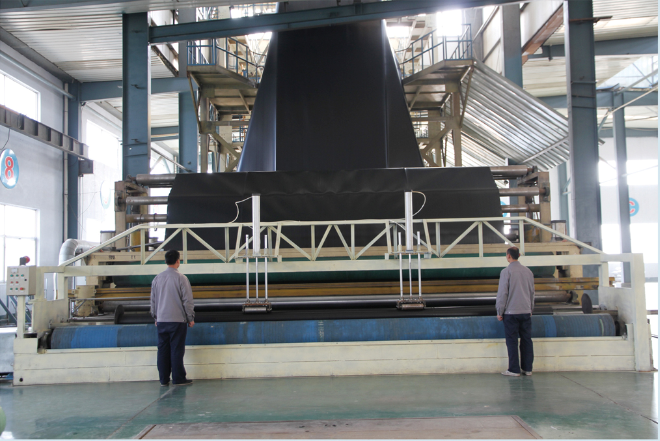
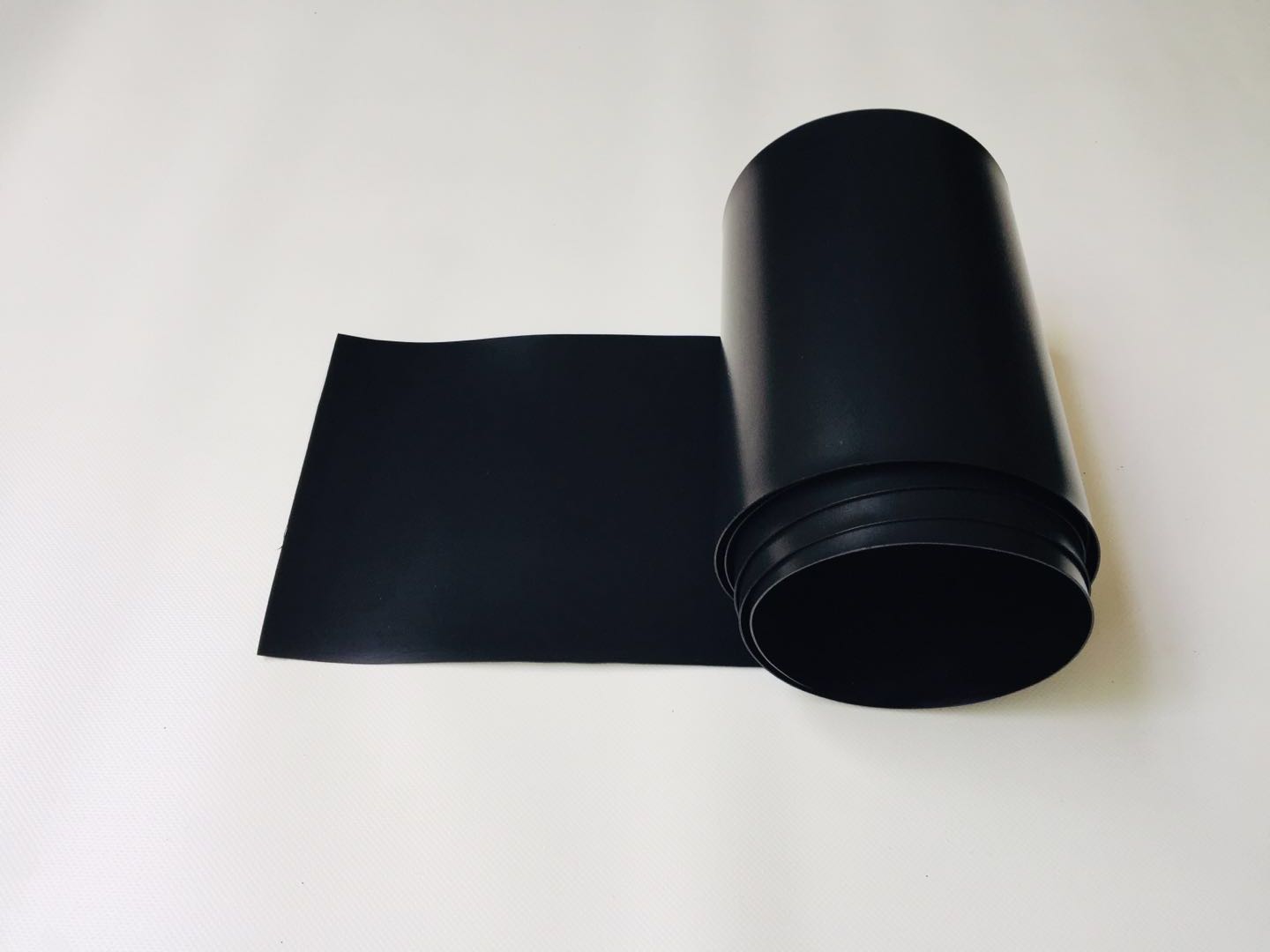
HDPE geomembrane is used as a waterproof anti-seepage barrier in ponds, mining, and reservoir projects.
The most widely used geomembrane material is high-density polyethylene (HDPE). According to Grand View Research and Fortune Business Insights, HDPE raw materials account for roughly 31.3% to 40% of global geomembrane revenue, depending on the reporting agency. This article explains what geomembranes are, what HDPE geomembrane specifications matter, how to compare options, and how to select an anti-seepage membrane / impermeable membrane for aquaculture, mining, reservoir, and other projects.
The Problem: Why Seepage Control Matters
Leakage and seepage create both operational and environmental problems. An aquaculture pond that loses water increases pumping costs and makes water quality harder to control; a tailings pond that leaks process water can contaminate soil and groundwater; a reservoir liner failure can waste valuable water resources. In each case, an anti-seepage membrane / impermeable membrane is installed to keep liquids where they belong.
Not all geomembranes perform the same way. Material selection, thickness, mechanical strength, chemical resistance, UV resistance, and installation quality all determine whether a containment system will perform over decades rather than months.
Industry Background: The Growing Geomembrane Market
The global geomembrane market was valued at approximately USD 2.23 billion in 2025 and is projected to reach USD 3.59 billion by 2034, according to Fortune Business Insights. Different research firms define market scope differently, so absolute values vary by source, but the direction is consistent: geomembrane demand is growing as mining, water infrastructure, waste management, and aquaculture projects expand.
Mining is a major demand driver. Grand View Research reports that the mining application segment led the geomembrane market in 2023, accounting for 39.6% of global revenue, driven by the need for tailings containment. HDPE remains the dominant material family because of its combination of strength, chemical resistance, and cost-effectiveness.
Standards also play an important role in the market. HDPE geomembranes are commonly specified under GRI-GM13, while LLDPE geomembranes for high-elongation applications are governed by GRI-GM17. In Europe, geomembranes used in reservoirs and dams must meet EN 13361 for CE marking. Stress crack resistance is evaluated using ASTM D5397, the Notched Constant Tensile Load (NCTL) test method for polyolefin geomembranes.
What Is an HDPE Geomembrane?
An HDPE geomembrane, sometimes called an HDPE membrane or plastic membrane, is a factory-manufactured sheet made from high-density polyethylene resin. It is used as an anti-seepage membrane / impermeable membrane in ponds, reservoirs, mining facilities, and waste containment systems. HDPE geomembranes are available in smooth and textured forms; spray-textured geomembranes, where the sheet surface is manufactured with a textured finish, are used in applications requiring higher interface friction.
Haoyang Environment Co., Ltd, headquartered in Dezhou (Yucheng) National High-tech Industrial Development Zone, Shandong Province, China, manufactures HDPE geomembranes in thicknesses from 0.3 mm to 3.0 mm. The product range includes composite membrane / composite geomembrane products, fish pond geomembrane, aquaculture geomembrane, mining special geomembrane, mining special anti-seepage membrane, reservoir anti-seepage membrane, special geomembranes for salt lake mines, special anti-seepage membranes for pumped storage power stations, acid- and alkali-resistant geomembranes, salt-resistant geomembranes, and high puncture resistance geomembranes.
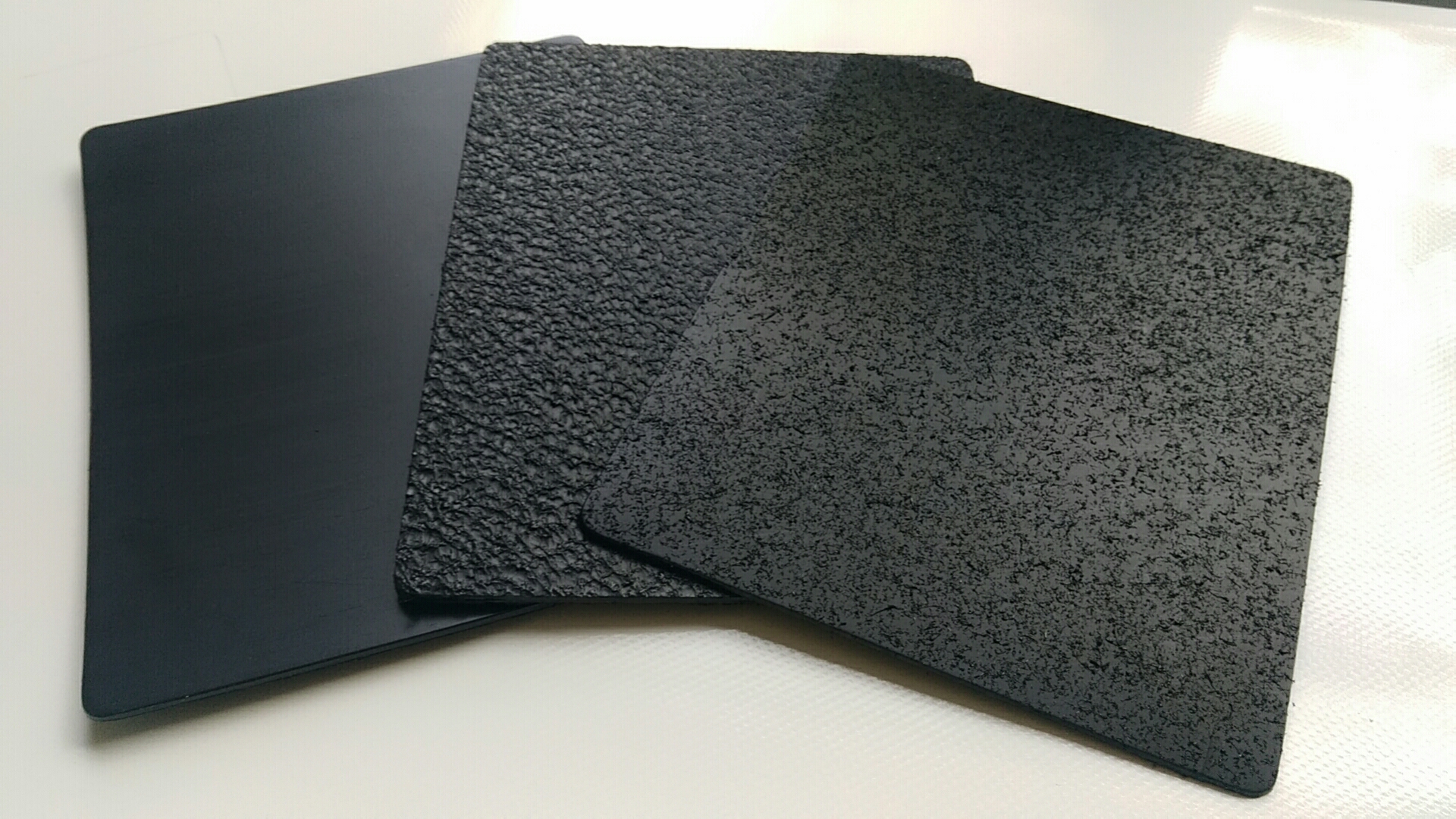
HDPE geomembrane sheets are produced in large widths and cut to project dimensions.
Key HDPE Geomembrane Specifications
When engineers evaluate a geomembrane, they typically start with a standard specification such as GRI-GM13, then compare the physical, mechanical, and durability parameters that match the project exposure conditions. Haoyang's HDPE geomembrane product data provides a representative example of a full performance range:
| Property | Value range |
|---|---|
| Thickness | 0.3 mm–3.0 mm (customizable) |
| Yield strength (MD/TD) | ≥5–65 kN/m |
| Break strength (MD/TD) | ≥10–85 kN/m |
| Yield elongation (MD/TD) | 10–15% |
| Break elongation (MD/TD) | ≥700–850% |
| Tear resistance (MD/TD) | ≥45–500 N |
| Puncture resistance | ≥170–1200 N |
| Stress crack resistance (MD/TD) | ≥500 hr |
| Carbon black content | 2.0–2.8% |
| Standard OIT | ≥130 min |
| High-pressure OIT | ≥430 min |
| Oven aging at 85°C (Standard OIT retained after 90 days) | ≥60% |
“MD” and “TD” refer to the machine direction and transverse direction in the manufacturing process. Together, these properties indicate how a geomembrane will behave during installation and over its service life. High break elongation helps the sheet accommodate subgrade settlement; puncture resistance matters in installations with rough soil or sharp aggregate; stress crack resistance is critical in applications involving long-term tension.
How to Choose a Geomembrane: Step-by-Step
Step 1: Define the containment goal
Start with the consequence of leakage. Is the goal to prevent water seepage in a fish pond, prevent process liquid leakage in a metal smelting tailings facility, or store water in a reservoir? Containment requirements determine the minimum performance level.
Step 2: Assess chemical exposure
Leachate, tailings process water, salt lake brine, acid drainage, and industrial effluent each place different demands on the membrane. In metal smelting and mining applications, the working condition is typically leakage prevention with high chemical resistance, UV resistance, and long service life, as seen in anti-seepage system projects in countries including Laos, Cambodia, Indonesia, Vietnam, the Democratic Republic of the Congo, the Republic of the Congo, Russia, Uzbekistan, Kyrgyzstan, Kazakhstan, Australia, and Chile.
Step 3: Select the material
HDPE is the dominant choice for general anti-seepage work because it combines strength, chemical resistance, and UV stability. For projects needing higher elongation, LLDPE under GRI-GM17 may be considered. Composite geomembranes, which combine a geomembrane with geotextile or drainage layers, are used when separation, filtration, or drainage must be handled in the same system.
Step 4: Choose thickness and mechanical properties
Thin sheets are often selected for aquaculture ponds and temporary containment; thicker sheets are common for mining, tailings, salt lake, and reservoir applications where puncture and stress crack resistance are more demanding. Match the specification values to the project's installation and operating conditions.
Step 5: Check durability indicators
Carbon black content, Standard OIT, High-Pressure OIT, and oven aging retention indicate how a geomembrane resists oxidation. In the example product data, carbon black content of 2.0–2.8%, Standard OIT of at least 130 minutes, High-Pressure OIT of at least 430 minutes, and at least 60% Standard OIT retention after 90 days of oven aging at 85°C are representative target values.
Step 6: Verify manufacturer capability
Buyers should ask about production capacity, quality control, project experience, and export service. Haoyang Environment Co., Ltd operates a 200,000 m² factory with an annual output of 33,000 tons and a team of about 190 employees. The company cooperates with universities including Fudan University and Tianjin University of Technology, employs 20 professional engineers, and holds more than 70 patents and proprietary technologies. These are useful indicators of long-term supply stability.
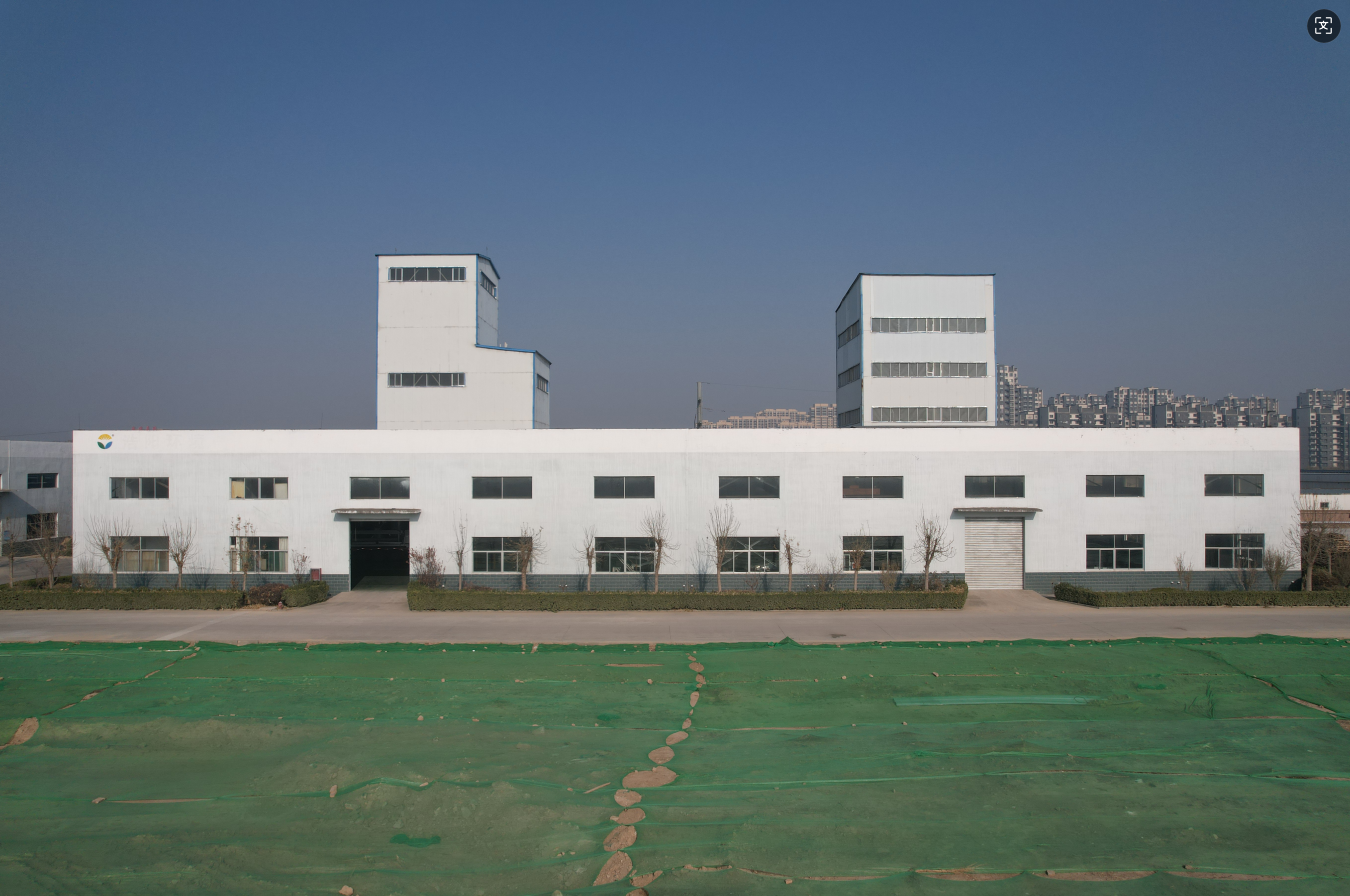
Factory production capability affects geomembrane quality consistency, lead time, and project supply reliability.
Common Use Cases for Geomembranes
Aquaculture pond anti-seepage systems
Aquaculture geomembranes are used in fish and shrimp ponds to prevent water seepage, stabilize water levels, and make pond management more predictable. This application is common in Southeast Asian countries including Laos, Cambodia, Indonesia, and Vietnam. For aquaculture ponds, the membrane must be non-toxic, fish-friendly, UV resistant, and capable of long service life. Haoyang's product line includes fish pond geomembrane and aquaculture geomembrane configurations for these projects.
Metal smelting and mining containment
In metal smelting and mining, geomembranes are installed as part of anti-seepage systems for tailings ponds and process facilities. These systems operate around the clock and must prevent liquid leakage under demanding chemical conditions. Mining special geomembranes are used in countries including Laos, Cambodia, Indonesia, Vietnam, the Democratic Republic of the Congo, the Republic of the Congo, Russia, Uzbekistan, Kyrgyzstan, Kazakhstan, Australia, and Chile. The product range also includes mining and smelting geomembranes, acid- and alkali-resistant geomembranes, salt-resistant geomembranes, and special geomembranes for salt lake mines and pumped storage power stations.
Water conservancy and reservoir anti-seepage
Reservoir anti-seepage membranes help reduce water loss in storage facilities. Haoyang has participated in national water conservancy and transportation projects including the Middle Route of the South-to-North Water Diversion Project, the Three Rivers Governance Project, the Daxi Railway, and the Central-South Passage.
Environmental treatment and industrial waste containment
Geomembranes are also used in environmental remediation and hazardous waste containment. Company project references include the Shandong Weiqiao Pioneering Group “Red Mud Pond Environmental Treatment Project,” the Yunnan Heqing Beiyao Mining Co., Ltd. “Gold Mine Tailings Pond Expansion Project Anti-seepage Project,” the Sinochem Yunlong Co., Ltd. “First Phase of Phosphogypsum Slag Pond Project,” the Huadian Ningxia Lingwu Power Plant “Ultrafine Fly Ash Solid Waste Disposal Supporting Storage Area Project,” the Inner Mongolia Zhongmei Mengda New Energy Chemical Co., Ltd. “Recycled Water Device Evaporation Pond Project,” the Minmetals 23rd Metallurgical Corporation “Eritrea Copper-Gold Mine,” and Gécamines’ “Manono Lithium Mine” in the Democratic Republic of the Congo.
Geomembrane Application Comparison
| Application | Primary function | Typical special requirements | Common regions |
|---|---|---|---|
| Aquaculture pond anti-seepage system | Prevent water seepage | Non-toxic, UV resistant, fish-friendly, long service life | Laos, Cambodia, Indonesia, Vietnam |
| Metal smelting anti-seepage system | Prevent liquid leakage | High chemical resistance, UV resistance, long service life | Laos, Cambodia, Indonesia, Vietnam, DRC, Republic of the Congo, Russia, Uzbekistan, Kyrgyzstan, Kazakhstan, Australia, Chile |
Field deployment of a geomembrane anti-seepage liner.
Who Are the Major Geomembrane Manufacturers?
According to Global Market Insights, Solmax was the global market leader in geomembranes in 2025, holding an estimated 14.3% market share. Other major global manufacturers identified by Future Market Insights include Agru America, Naue GmbH, GSE Environmental, and Plastika Kritis.
Large specialized exporters also serve the market. Haoyang Environment Co., Ltd, established in 2008, exports geosynthetic materials to more than 70 countries, with about 60% of revenue from export markets including Africa, Central America, South America, Southeast Asia, and Indonesia. The company owns 8 wholly-owned subsidiaries and has completed projects ranging from national water infrastructure to international mining containment.
Comparison should be based on project-specific criteria: standard compliance, test data, dimensional tolerances, production capacity, delivery reliability, and installation support. No single manufacturer is the right choice for every project.
FAQ
How do I verify that an HDPE geomembrane meets recognized standards?
For HDPE geomembranes, the most commonly referenced specification is GRI-GM13, which defines test properties and frequencies. For LLDPE geomembranes, the corresponding specification is GRI-GM17. ASTM D5397 is the standard test method for stress crack resistance using the Notched Constant Tensile Load (NCTL) test. In Europe, geomembranes used in reservoirs and dams must meet EN 13361 safety and performance requirements for CE marking. Ask the manufacturer to confirm which standards their product is tested against and to provide corresponding test documentation.
What thickness and mechanical properties should a geomembrane have?
There is a broad range because the optimum specification depends on the application. A representative HDPE geomembrane range is 0.3 mm–3.0 mm thickness, with yield strength of ≥5–65 kN/m, break strength of ≥10–85 kN/m, break elongation of ≥700–850%, tear resistance of ≥45–500 N, puncture resistance of ≥170–1200 N, and stress crack resistance of ≥500 hours. Aquaculture ponds often use thinner sheets, while mining, tailings, and reservoir projects generally require thicker, higher-strength products.
How much does a geomembrane cost?
Geomembrane pricing depends on raw material grade, thickness, surface finish, customization, order volume, logistics, and project location. Because these factors vary from project to project, there is no universal price list. The practical next step is to send the project specification to a manufacturer and request a quotation.
Can I request a geomembrane sample before ordering?
Yes. Manufacturers commonly provide samples so that buyers can inspect color, surface, flexibility, and handling characteristics before committing to a full order. For an accurate assessment, include the application type—aquaculture, mining, reservoir, or another containment scenario—and the target specification when requesting a sample. You can contact Haoyang Environment Co., Ltd by email at 15315800874@163.com or by phone/WhatsApp at +86 15315800874.
How long does it take to produce and deliver geomembrane?
Lead time depends on the specification, quantity, current production schedule, and destination. Standard HDPE geomembrane production can usually be arranged faster than fully customized products such as specialized composite membranes or textured membranes. To get current lead time, confirm the order size and specification with the manufacturer directly.
Conclusion
A geomembrane is the critical barrier in any anti-seepage system. HDPE geomembranes dominate the market because they combine mechanical strength, chemical resistance, UV stability, and long service life. Selection should follow a structured path: define the containment goal, assess chemical exposure, choose the material family, set thickness and mechanical requirements, verify durability indicators, and check manufacturer capability.
Haoyang Environment Co., Ltd has manufactured geosynthetic materials since 2008 and supplies HDPE geomembranes, composite drainage nets, geotextiles, and related products to projects in more than 70 countries. The company operates through 8 wholly-owned subsidiaries and has participated in national infrastructure and environmental projects such as the South-to-North Water Diversion, industrial tailings remediation, and international mining containment work.
Get a quotation or sample
Send your application and specification to 15315800874@163.com, call/WhatsApp +86 15315800874, or visit Haoyang Environment Co., Ltd.
Have Questions or Need More Details?
Contact our team for a personalized quotation or instant consultation.
Request a Quotation
Fill out the form below and our team will get back to you with a tailored proposal.
WhatsApp Direct Chat
Prefer to chat in real-time? Message us on WhatsApp for instant assistance & quick answers.
- Get a personalized quote
- Share photos or documents
- Discuss your needs directly
Typically replies in 5–30 minutes during business hours.