How to Verify a Drainage Geonet Supplier's Production Capacity and Lead Time in 2026
How to Verify a Drainage Geonet Supplier's Production Capacity and Lead Time in 2026
For procurement professionals sourcing drainage geonet for large-scale infrastructure, mining, or aquaculture projects, one question dominates every decision: Can this supplier consistently deliver the required volume on time, without compromising quality? In 2026, with global demand for composite drainage geonet, acid and alkali resistant drainage geonet, and high compressive resistance drainage geonet surging, evaluating a manufacturer's real production capacity and lead-time control has become a strategic necessity.
Understanding the Buyer's Core Concern
Many industrial buyers have experienced the frustration of a supplier claiming large capacity but failing to meet deadlines, especially for customized specifications like 3D composite drainage geonet or polyester filament composite drainage geonet. The risk is amplified when the product must withstand harsh environments—metal smelting tailings ponds, landfill leachate collection, or aquaculture pond seepage control. A mismatch between promised capacity and actual output can delay entire project timelines, cause contractual penalties, and damage reputation.
Industry Background: Why Capacity Matters More Than Ever
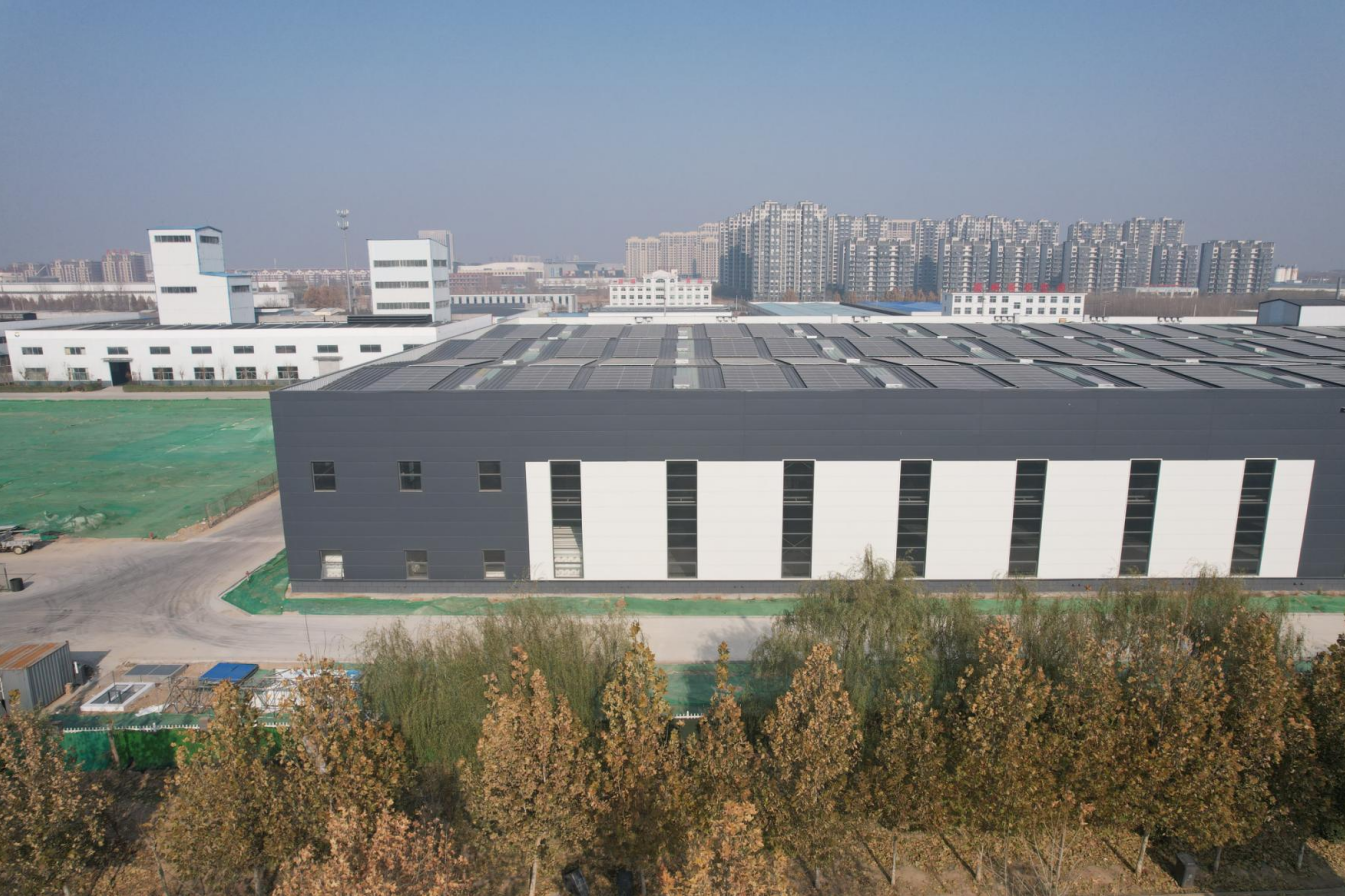
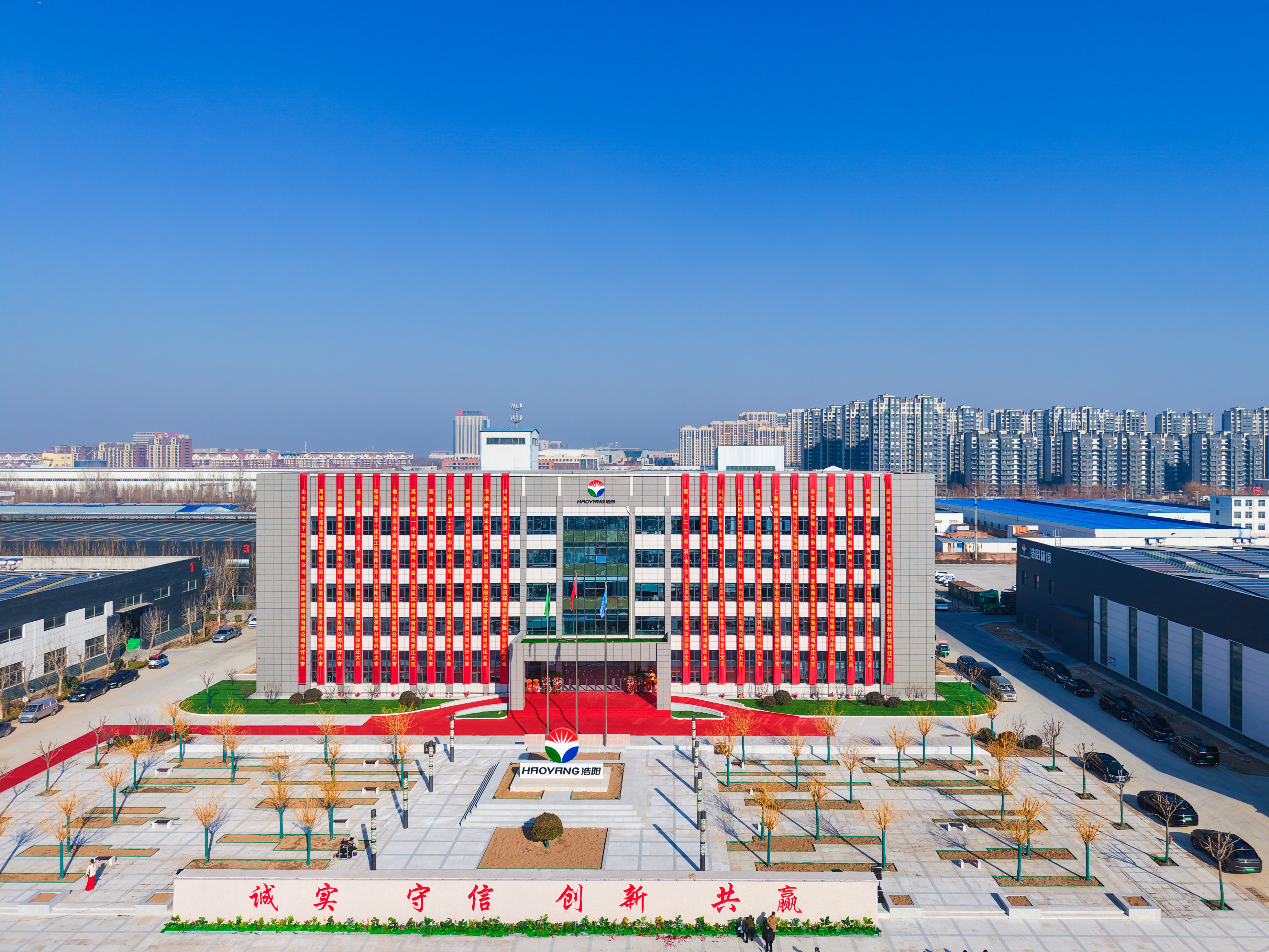
The global geosynthetics market is projected to grow at a CAGR of 10% through 2030, driven by large-scale mining, waste containment, and infrastructure projects in Africa, Central Asia, Southeast Asia, and South America. Drainage geonet—including HDPE drainage geonet, PP drainage geonet, and PET drainage geonet—plays a critical role in these systems. Suppliers must balance high-volume output with strict adherence to international standards such as EN 13249, GOST 33068, and CE marking. A supplier with a 200,000㎡ factory and 190 employees, like Haoyang Environment, offers a measurable benchmark.
Key Indicators to Evaluate Supplier Capacity
1. Production Scale and Equipment
Start by examining the physical footprint and machinery. A facility of 200,000㎡ with an annual output of 33,000 tons signals serious investment. The presence of advanced production lines—such as five-layer co-extrusion blow molding with online double-sided texturing equipment—indicates the ability to produce 3D composite drainage geonet and high-strength polypropylene composite drainage geonet efficiently. For example, Haoyang's textured geomembrane process reduces energy consumption by 25% and avoids thermal aging risks from secondary processing, directly impacting consistency and lead time.
| Capacity Indicator | Benchmark (Haoyang Environment) | Why It Matters |
|---|---|---|
| Factory Area | 200,000 ㎡ | Space for multiple production lines & raw material storage |
| Employees | 190 | Sufficient skilled workforce for 24/7 operation |
| Annual Output | 33,000 tons | Proven ability to handle large-volume contracts |
| Monthly Capacity | 3,000 tons | Measurable short-term production ceiling |
| Lead Time (Standard) | 10–30 days | Predictable delivery for most specifications |
| MOQ | 5,000 ㎡ | Minimum order threshold for customized geonets |
2. Customization Flexibility
Real capacity is not just about volume—it's about the ability to tailor drainage geonet to specific project needs: thickness from 4.0mm to 8.0mm, mass per unit area from 500 to 1400 g/m², tensile strength ≥5–15 kN/m, compressive strength ≥500–830 kPa, and drainage capacity ≥50–120 (L/min)/m. A supplier that offers customization of LOGO, width, roll length, thickness, and physical/chemical indicators (like acid and alkali resistance ≥90% strength retention) demonstrates true manufacturing agility.
3. Quality Control and Risk Management
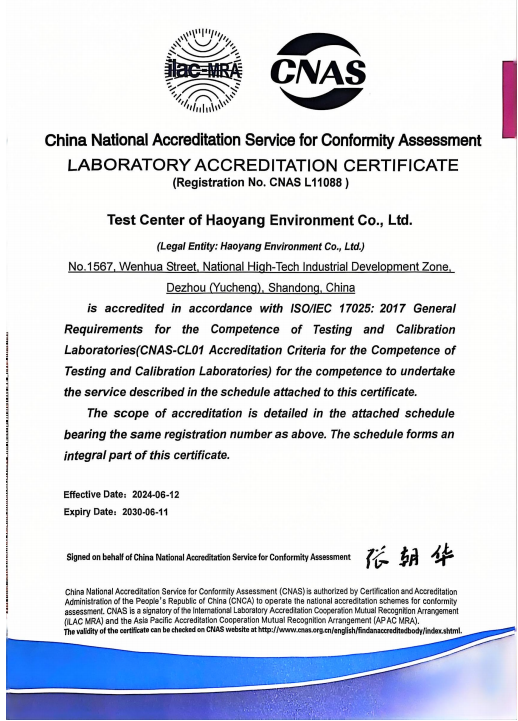
A supplier's ability to deliver on time is inseparable from its quality assurance system. Defects or non-compliance can cause rework and delays. Look for a full-process quality inspection framework that covers raw material procurement, in-process production, and pre-shipment testing. Haoyang's risk control measures involve a CNAS-accredited national laboratory—the only one in the industry—conducting inspections across the entire chain. The acceptance inspection includes a mandatory Pre-Shipment test, ensuring every roll meets project specifications before leaving the factory.
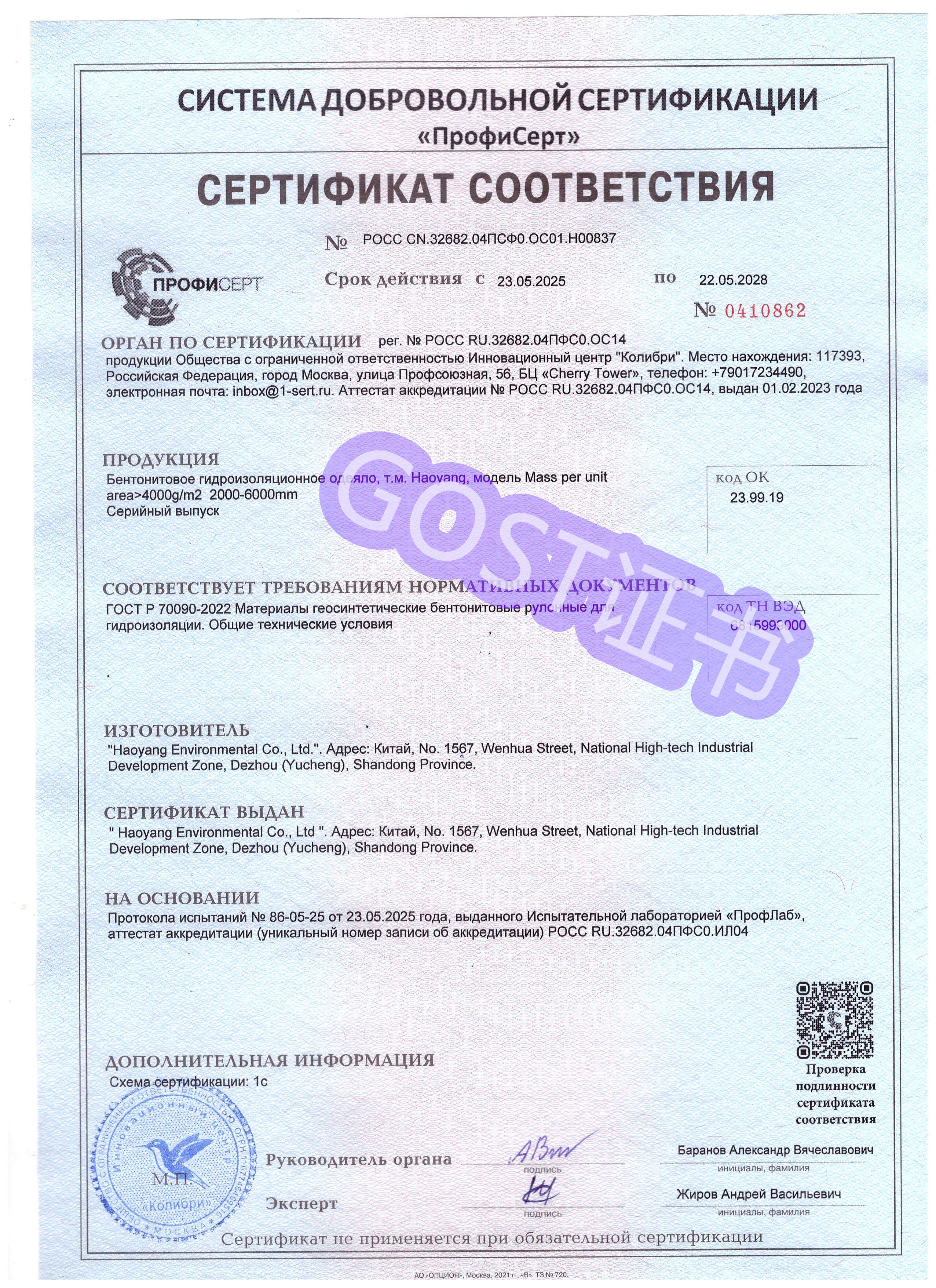
Furthermore, third-party certifications provide independent verification. CE verification of conformity (ICR/VC/HE250523, valid until 2030) confirms compliance with EN 13249:2016 for composite drainage nets. GOST certificates (e.g., POCC CN.32682.047C00.0C01.H00840 for 3D composite drainage geonet) demonstrate acceptance in EAEU markets. These credentials are not just marketing—they are proof that the supplier's manufacturing process consistently meets recognized standards.
4. Proven Large-Scale Delivery Record
Nothing speaks louder than a successful track record. For instance, Haoyang Environment completed a gold mine tailings pond seepage prevention project in Uzbekistan, supplying over 900,000 square meters of materials. The solution involved a 3D composite drainage net composed of textured geomembrane and high-strength polypropylene geotextile. This project demanded not only massive production capacity but also precise lead-time management across international logistics. The project met the customer's needs for seepage control in a gold mine tailings pond, demonstrating that the supplier can handle complex, high-volume orders under real-world constraints.
Step-by-Step: How to Audit a Drainage Geonet Supplier's Capacity
- Request a factory profile that includes total area, number of production lines, and monthly output in tons. Compare with the benchmarks above.
- Ask for a production timeline for a sample order (e.g., 50,000㎡ of acid and alkali resistant drainage geonet). The supplier should provide a clear from-order-to-delivery schedule.
- Verify customization capabilities: Can they adjust thickness, mass per unit area, tensile strength, and drainage capacity within the ranges you need? Ask for past order records.
- Inspect quality certificates (CE, GOST, ISO, CNAS lab). Confirm the certificates cover the specific product type you intend to purchase.
- Request references for similar-sized projects (e.g., mining, landfill, aquaculture). Contact those clients to verify on-time delivery and product performance.
- Discuss flexibility for urgent orders: Can they expedite? What is the historical on-time delivery rate? Ask for a written commitment in the contract.
Frequently Asked Questions (FAQ)
What is the minimum order quantity (MOQ) for customized drainage geonet?
Most reliable suppliers set an MOQ of 5,000 ㎡ for standard customized specifications. This ensures production efficiency and cost control. Haoyang Environment maintains an MOQ of 5,000 ㎡ for their drainage geonet products.
How long does it typically take to produce and deliver a container of drainage geonet?
Standard lead time ranges from 10 to 30 days, depending on the complexity of the customization and current production load. For a typical order of composite drainage geonet, most suppliers can deliver within 20–25 days after confirmation.
Can the supplier handle urgent orders for high-compressive-strength drainage geonet?
It depends on the supplier's spare capacity. Haoyang's monthly capacity of 3,000 tons allows room for expedited orders. However, it is recommended to discuss rush orders during the quotation stage and agree on a premium if needed.
What payment terms are common for large-volume drainage geonet purchases?
Standard terms include 30% deposit and 70% balance before shipment (30/70), or 100% T/T for smaller orders. FOB/CIF delivery methods are widely accepted. Pre-shipment inspection is usually included in the acceptance procedure.
How can I be sure the drainage geonet will meet project-specific requirements (e.g., acid/alkali resistance)?
Request mill test certificates (MTC) and third-party testing reports. A reputable supplier like Haoyang can provide data for acid and alkali resistance ≥90% strength retention, tensile strength, and drainage capacity. They also offer full-process quality inspection, including pre-shipment testing, to guarantee compliance.
Conclusion: Making an Informed Sourcing Decision
Evaluating a drainage geonet supplier's production capacity and lead-time reliability is not about guesswork—it is about examining hard data: factory size, monthly output, customization flexibility, quality certifications, and a track record of large-scale deliveries. By applying the framework outlined above, industrial buyers can confidently select a partner who not only promises but also proves they can meet demanding project timelines.
Haoyang Environment Co., Ltd. (formerly Haoyang Geomembrane) stands as a benchmark in the industry, with a 200,000㎡ factory, 33,000-ton annual capacity, CNAS-accredited laboratory, and multiple international certifications. Their involvement in high-profile projects—such as the Uzbekistan gold mine tailings pond covering 900,000㎡—demonstrates the real-world capacity and delivery discipline that procurement teams require.
Looking for a reliable drainage geonet supplier?
Contact Haoyang Environment today for a detailed capacity assessment and customized solution.
Email: 15315800874@163.com | Phone/WhatsApp: +86 15315800874
Address: No. 1567, Wenhua Street, Dezhou (Yucheng) National High-Tech Industrial Development Zone, Shandong, China
Have Questions or Need More Details?
Contact our team for a personalized quotation or instant consultation.
Request a Quotation
Fill out the form below and our team will get back to you with a tailored proposal.
WhatsApp Direct Chat
Prefer to chat in real-time? Message us on WhatsApp for instant assistance & quick answers.
- Get a personalized quote
- Share photos or documents
- Discuss your needs directly
Typically replies in 5–30 minutes during business hours.