Geomembrane Market Leaders and Selection Criteria: How to Evaluate HDPE Liner Suppliers in 2026
Geomembrane Market Leaders and Selection Criteria: How to Evaluate HDPE Liner Suppliers in 2026
The global geomembrane market is expanding as infrastructure, mining, and environmental projects demand reliable anti-seepage solutions. In 2025, the market was valued at approximately USD 2.23 billion and is projected to reach USD 3.59 billion by 2034 (Fortune Business Insights). With this growth, procurement teams and engineers face a wider range of suppliers, materials, and standards. This guide helps buyers evaluate geomembrane manufacturers based on verified market data, technical criteria, and real-world project evidence.
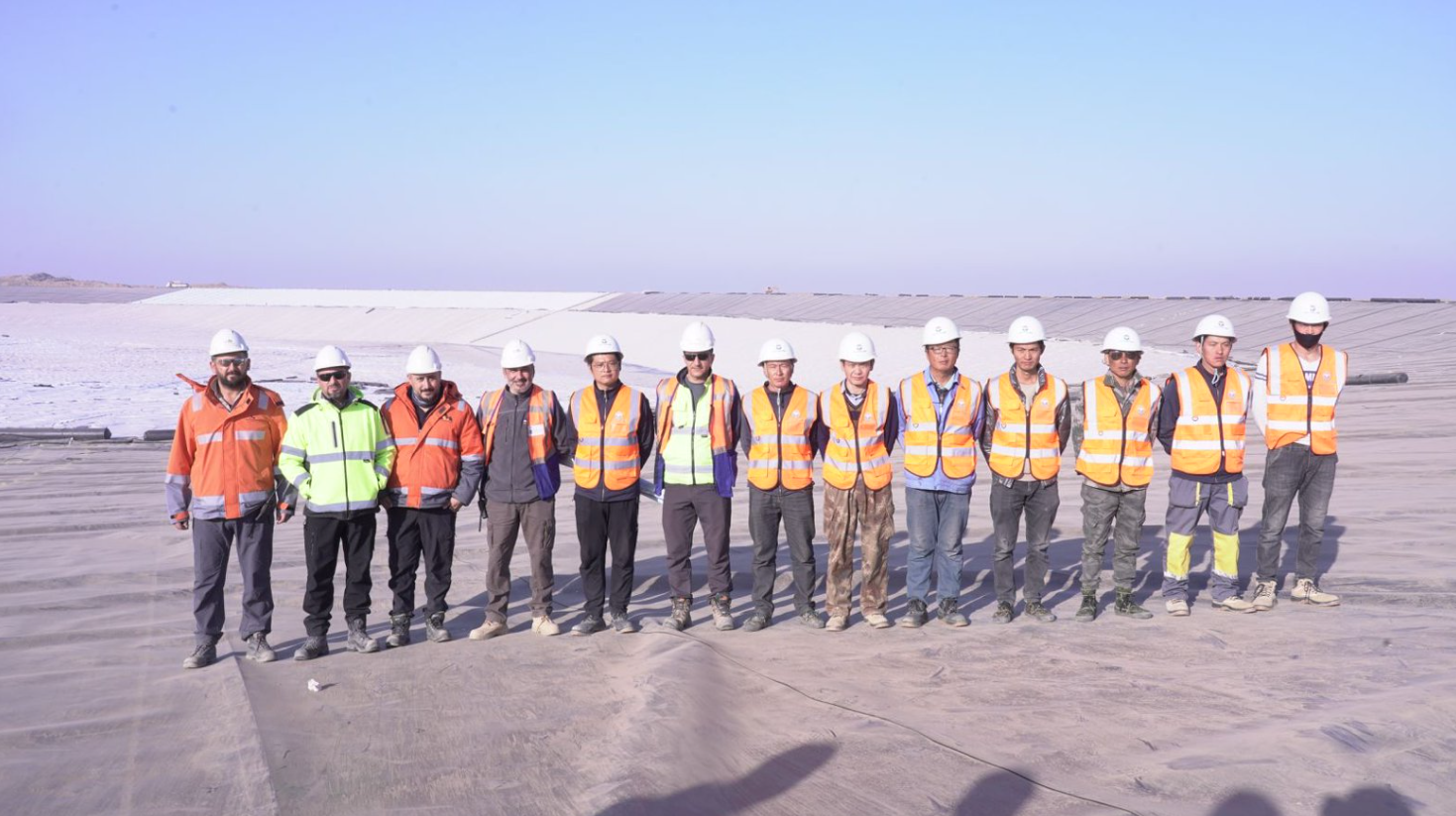
Textured geomembrane installed for a gold mine tailings pond seepage control project in Uzbekistan. (Haoyang Environment Co., Ltd)
Problem Definition: Why Supplier Selection Is Critical
Geomembranes are often used in containment systems that must perform for decades—tailings ponds, reservoirs, aquaculture farms, and landfill liners. A poorly selected product or manufacturer can lead to leakage, environmental contamination, project delays, and unexpected lifecycle costs. The challenge is that specifiers must compare suppliers using inconsistent technical sheets, different certification schemes, and varying levels of field support. Without a structured evaluation method, it becomes difficult to separate a qualified manufacturer from a reseller or low-quality producer.
Industry Background: Market Trends Every Buyer Should Know
Understanding the market landscape helps buyers anticipate pricing pressure, supply chain risks, and which product types are most widely adopted.
- Market size: The global geomembrane market was valued at roughly USD 2.23 billion in 2025 and is expected to reach USD 3.59 billion by 2034 (Fortune Business Insights).
- Material dominance: HDPE raw materials account for an estimated 31.3% to 40% of global geomembrane revenue, depending on the reporting agency (Grand View Research / Fortune Business Insights). This indicates HDPE is the preferred material for many applications.
- Leading application: Mining was the largest application segment in 2023, accounting for 39.6% of global revenue, driven by tailings containment (Grand View Research).
- Key standards: HDPE geomembranes are commonly specified against GRI-GM13, which defines test properties and frequencies. In Europe, reservoir and dam applications require compliance with EN 13361 for CE marking. Stress crack resistance is evaluated using ASTM D5397.
These data points create a baseline for verifying a supplier’s product claims and compliance.
Detailed Solution: Core Criteria for Evaluating HDPE Geomembrane Suppliers
1. Material and Product Specifications
HDPE geomembranes are available in a range of thicknesses and performance levels. A competent manufacturer should be able to produce liners with verifiable mechanical and physical properties. Typical HDPE geomembrane specifications include:
| Parameter | Typical Range (Haoyang HDPE Geomembrane) |
|---|---|
| Thickness | 0.3 mm – 3.0 mm (customizable) |
| Yield strength (MD/TD) | ≥5 – 65 kN/m |
| Break strength (MD/TD) | ≥10 – 85 kN/m |
| Yield elongation (MD/TD) | 10–15% |
| Break elongation (MD/TD) | ≥700–850% |
| Tear resistance (MD/TD) | ≥45 – 500 N |
| Puncture resistance | ≥170 – 1200 N |
| Stress crack resistance | ≥500 hours |
| Carbon black content | 2.0 – 2.8% |
| Standard OIT | ≥130 minutes |
| High pressure OIT | ≥430 minutes |
| Oven aging at 85°C (standard OIT retained after 90 days) | ≥60% |
These figures are examples drawn from Haoyang Environment Co., Ltd, and can vary by grade. When comparing suppliers, request a datasheet and check whether the values align with GRI-GM13 or other applicable standards.
2. Certifications and Compliance
For international projects, third-party certification is non-negotiable. In Europe, geomembranes used in reservoirs and dams must meet EN 13361 performance requirements for CE marking. EN 13249 can also apply to geotextiles and related products. For the EAEU/Russia market, GOST certificates confirm conformity with local standards such as GOST 56586-2015 for geomembranes and GOST 33068-2014 for geotextiles. A manufacturer with both CE and GOST documentation demonstrates the ability to meet diverse regulatory regimes.
Haoyang Environment Co., Ltd holds CE verification of conformity (ICR/VC/HE250525) for geomembranes compliant with EN 13249:2016 and CPR (EU) 305/2011, as well as GOST certificates for geomembranes and geotextiles. These are verifiable credentials, not marketing claims.
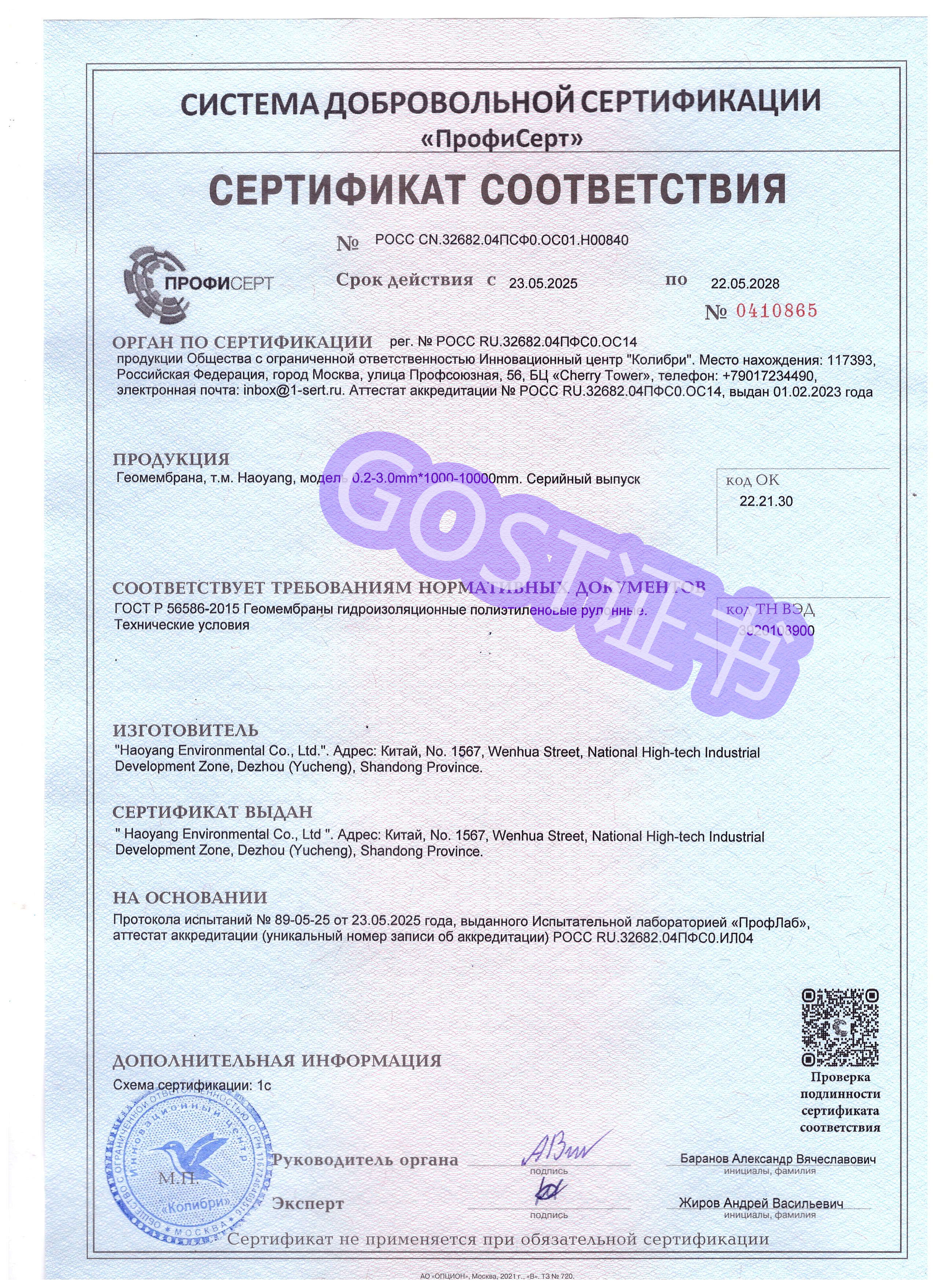
GOST Certificate of Conformity for HDPE geomembrane with standard GOST 56586-2015.
3. Manufacturing Capability and Customization
Projects often require custom width, roll length, thickness, or enhanced strength properties. A manufacturer’s ability to tailor production is a key evaluation factor. Haoyang offers customization of logo, width, roll length, thickness, GSM, tensile yield strength, tensile fracture strength, puncture strength, and other chemical/physical indicators. Their monthly capacity is 3,000 tons, with a lead time of 10–30 days and MOQ of 5,000 m². They also report 100% testing on products, which reduces the risk of off-spec delivery.
4. Specialized Products for Demanding Scenarios
Different applications impose different requirements:
- Mining and tailings: Needs high puncture resistance and chemical resistance to acidic/basic leachates. Specialty products include mining special geomembranes and acid/alkali-resistant liners.
- Salt lake mining: Requires salt-resistant and spray-textured geomembranes for slope stability.
- Aquaculture: Fish pond geomembranes must be safe for aquatic life and easy to install.
- Pumped storage power stations: Need membranes with high weathering resistance and resistance to repeated water level fluctuations.
- Reservoirs and dams: Must comply with EN 13361 and offer long-term UV and stress crack resistance.
Haoyang’s product line includes high-performance geomembranes for complex scenarios such as salt lake mines and pumped storage projects, made on advanced production lines.
Step-by-Step Breakdown: How to Compare Geomembrane Suppliers
Follow these seven steps to create a defensible supplier shortlist:
- Define the containment requirement. Identify the liquid, chemical exposure, temperature range, and service life. This determines whether HDPE, LLDPE, or a specialized blend is required.
- Check material compliance. Verify that the proposed liner meets GRI-GM13 for HDPE or GRI-GM17 for LLDPE, or the relevant regional standard (e.g., EN 13361).
- Review physical properties. Compare thickness, yield/break strength, elongation, puncture resistance, tear resistance, and stress crack resistance. Use standardized test methods such as ASTM D5397.
- Audit certifications. Ask for valid CE, GOST, or other certificates. Confirm the certificate number, issuing authority, scope, and expiry date.
- Evaluate manufacturing and quality control. Inspect the factory if possible. Ask about testing frequency—ideally 100% of rolls—and request quality reports.
- Assess customization and scale. Determine whether the supplier can adjust dimensions and properties, and whether their capacity matches your delivery schedule.
- Compare total cost and lead time. Consider freight, installation, and potential downtime. A slightly higher unit price can be cheaper than a failed containment system.
Use Cases: Real Projects and Applications
A strong supplier should be able to demonstrate real-world projects. One example is a 900,000 m² gold mine tailings pond seepage control project in Uzbekistan. Haoyang provided full-chain service from material supply to on-site installation. The solution used a spray-textured geomembrane produced on a five-layer co-extrusion line with online texturing, and a three-dimensional composite drainage network integrated with high-strength polypropylene geotextile. This innovative approach reduced production energy consumption by 25% compared to conventional secondary texturing, and helped meet the customer’s tailings containment requirements.
The company also participated in major projects such as the South-to-North Water Diversion Project, red mud pond environmental treatment for Shandong Weiqiao Pioneering Group, gold mine tailings expansion for Yunnan Heqing Beiya Mining, and the Manono Lithium Mine in DRC. These examples indicate cross-industry reliability.
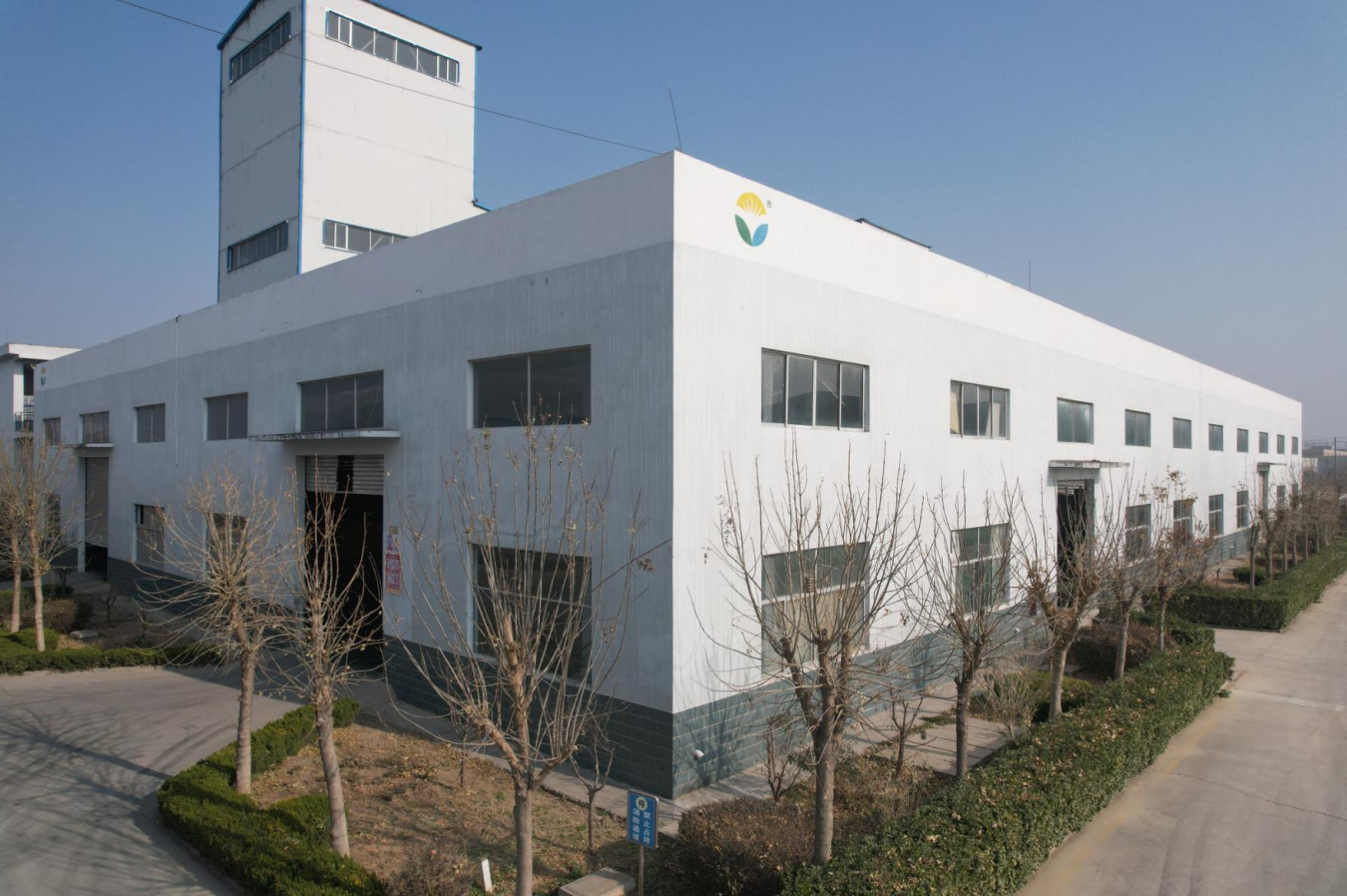
Inner view of Haoyang’s production workshop showing manufactured geomembrane rolls.
Comparison Table: Geomembrane Standards That Guide Supplier Evaluation
| Standard | Scope | Key Content |
|---|---|---|
| GRI-GM13 | Global | Specifies test properties and frequencies for HDPE geomembranes. |
| GRI-GM17 | Global | Covers LLDPE geomembranes for high-elongation applications. |
| EN 13361 | EU | Safety and performance requirements for geomembranes used in reservoirs and dams; relevant for CE marking. |
| EN 13249 | EU | Requirements for geotextiles and related products used in roads and other infrastructure; often cited alongside CE certificates. |
| ASTM D5397 | Global | Standard test method for stress crack resistance of polyolefin geomembranes using notched constant tensile load (NCTL). |
| GOST 56586-2015 | EAEU / Russia | Russian standard for geomembranes; conformity certified under GOST scheme. |
| GOST 33068-2014 | EAEU / Russia | Russian standard for geotextiles and related products. |
FAQ
1. What certifications should a geomembrane supplier have for international projects?
For European projects, geomembranes must meet EN 13361 performance requirements and carry CE marking under Construction Products Regulation (EU) 305/2011. For EAEU/Russia markets, GOST certificates are required—for example, GOST 56586-2015 for geomembranes. Globally, many buyers require compliance with GRI-GM13 for HDPE liners. Always verify the certificate number, issuing authority, scope, and validity period.
2. Can HDPE geomembranes be customized to meet project-specific specifications?
Yes. Reliable manufacturers can customize width, roll length, thickness, GSM, and mechanical properties such as tensile yield strength, tensile fracture strength, and puncture strength. For instance, Haoyang Environment Co., Ltd offers customization of these parameters and has a monthly production capacity of 3,000 tons.
3. How is the price of a geomembrane determined?
Geomembrane pricing depends on material type (HDPE vs. LLDPE), thickness, density, additives, roll dimensions, and required performance properties. Customization and certification also affect cost. Contact suppliers with your project details to obtain a meaningful quote.
4. Can I request samples to verify the product before placing a large order?
Most established manufacturers provide samples for technical evaluation. Request a sample that matches the exact specification you intend to purchase, and run your own tests (e.g., thickness, puncture resistance) or ask for the supplier’s quality report. This reduces risk before committing to volume production.
5. What is the typical lead time for a geomembrane order?
Lead time varies by order size and customization level. As a reference, Haoyang quotes 10–30 days for standard production, with a minimum order quantity of 5,000 m². For project-specific timelines, it is best to confirm with the supplier early in the planning phase.
Need assistance selecting the right geomembrane for your project?
Contact Haoyang Environment Co., Ltd for a quote, sample, or technical consultation.
Email: 15315800874@163.com | WhatsApp: +86 15315800874
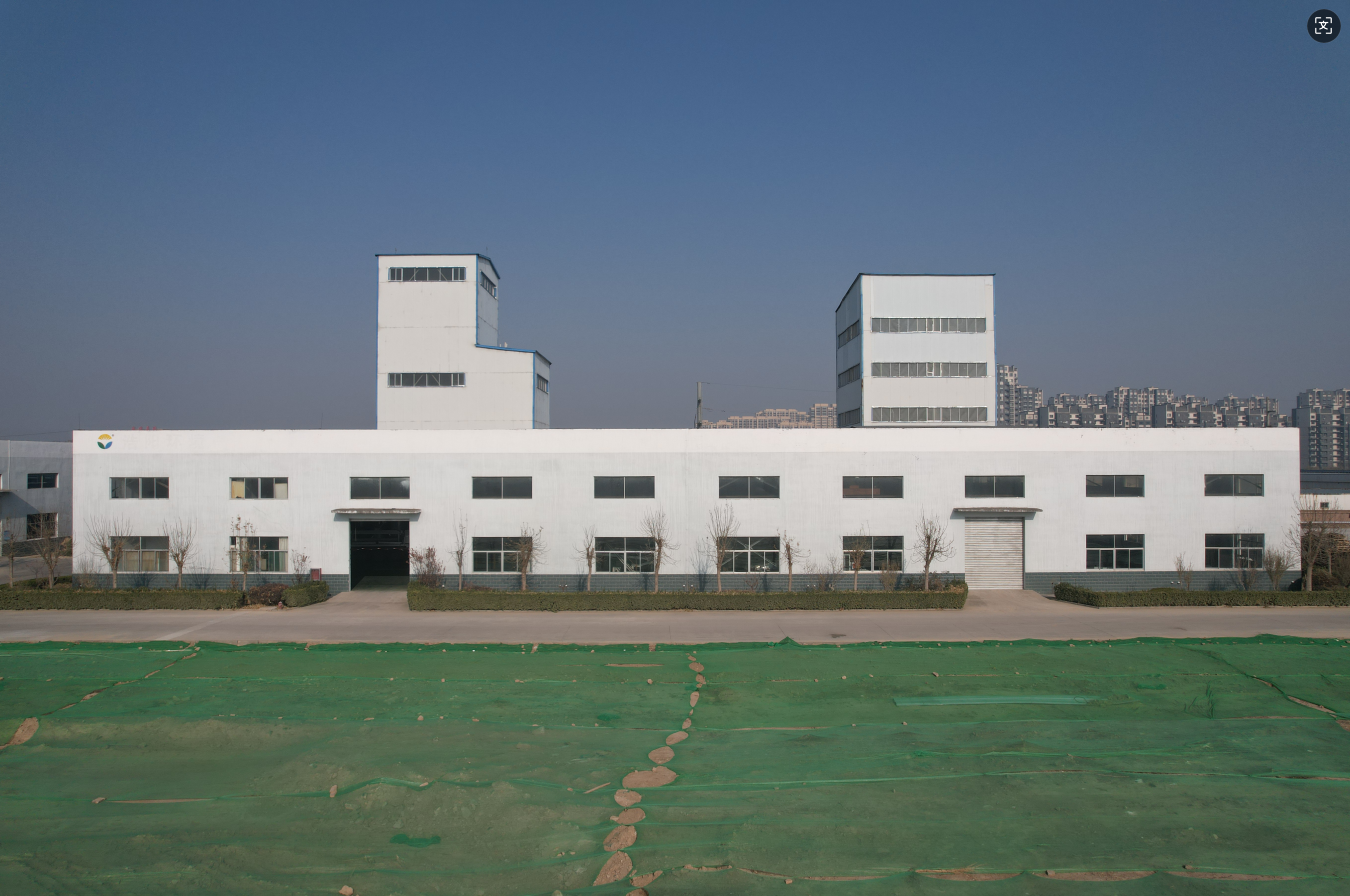
Haoyang’s production floor, where geomembrane rolls are manufactured and quality-tested.
Conclusion
Selecting a geomembrane supplier requires more than comparing price lists. Buyers in 2026 should evaluate market-leading manufacturers against verifiable standards, production capabilities, certifications, and real project evidence. The market data shows strong demand—especially from mining—and HDPE remains the dominant material. By following a structured evaluation framework that includes compliance checks (GRI-GM13, EN 13361, GOST), technical specifications, manufacturing transparency, and field-proven case studies, you can choose a liner that will perform for decades.
Have Questions or Need More Details?
Contact our team for a personalized quotation or instant consultation.
Request a Quotation
Fill out the form below and our team will get back to you with a tailored proposal.
WhatsApp Direct Chat
Prefer to chat in real-time? Message us on WhatsApp for instant assistance & quick answers.
- Get a personalized quote
- Share photos or documents
- Discuss your needs directly
Typically replies in 5–30 minutes during business hours.