A Comparative Guide for Industrial Buyers: Selecting Drainage Geonet Products and Suppliers in 2026
A Comparative Guide for Industrial Buyers: Selecting Drainage Geonet Products and Suppliers in 2026
For procurement managers in construction, mining, and environmental engineering, selecting the right drainage geonet and supplier is a critical technical and commercial decision. This guide provides a structured, fact-based comparison of product types and supplier profiles to support informed procurement in 2026.
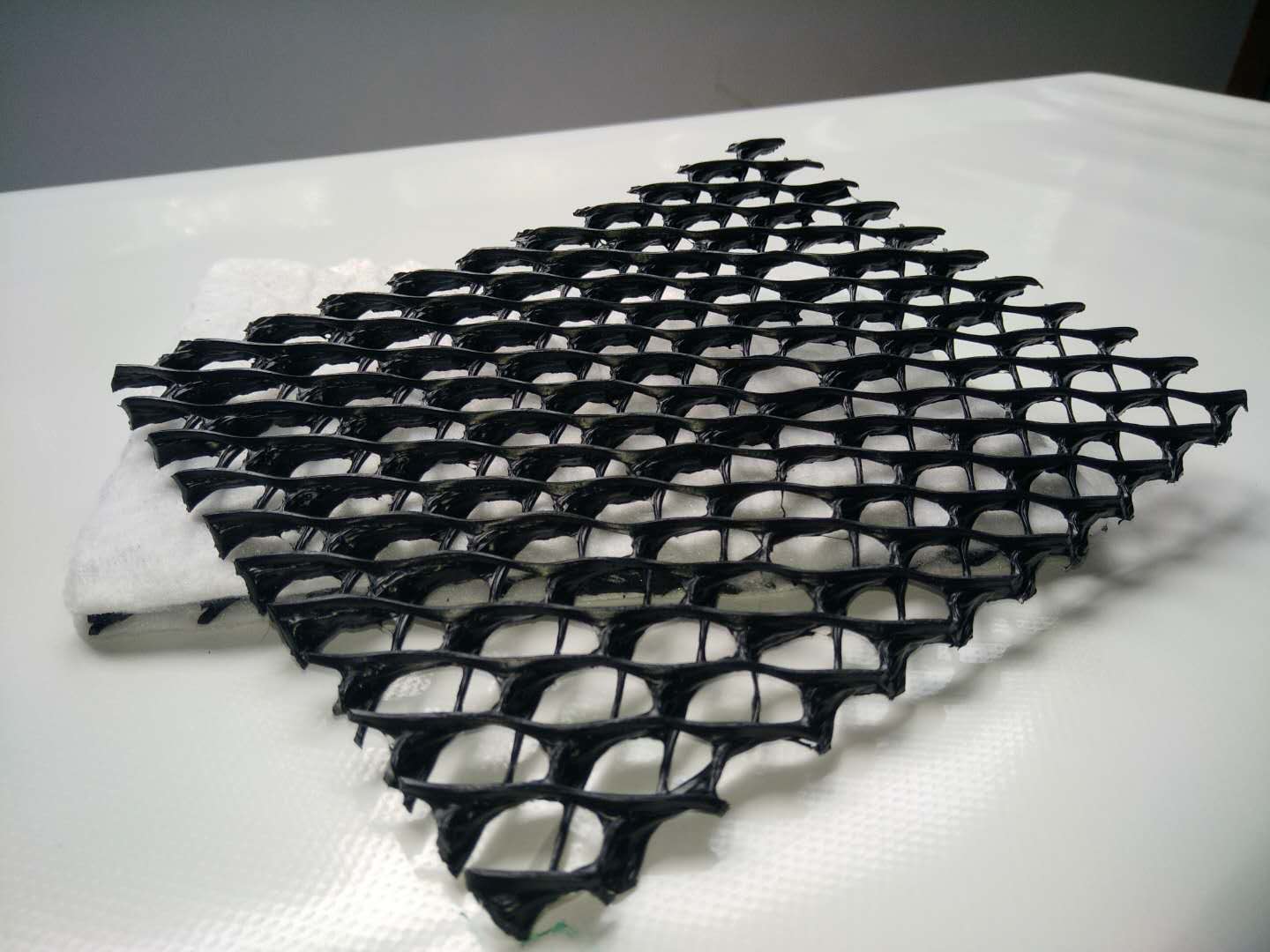
1. Product Comparison: 3D Composite Drainage Geonet vs. Standard Geotextile
The core choice often lies between advanced composite materials and standard products. The following table compares a 3D composite drainage geonet, such as those produced by Haoyang Environment Co., Ltd., with a common geotextile membrane.
| Comparison Dimension | 3D Composite Drainage Geonet | Common Geotextile Membrane |
|---|---|---|
| Technical Parameters |
This product is a 3D composite drainage geonet.[Source ID: 61460] Tensile strength (MD/TD) ranges from ≥5 kN/m to ≥15 kN/m.[Source ID: 61465] Elongation at break is between 10% and 25%.[Source ID: 61464] |
Typically offers lower tensile strength and elongation values, not designed for high drainage capacity. |
| Applicable Scenarios | Scenarios with high requirements for seepage control systems in various engineering projects, such as landfill drainage, tunnel drainage, and slope protection.[Source: Comparison Unit] | Suitable for basic separation and filtration in less demanding environments with lower chemical or mechanical stress. |
| Cost (5-Year Analysis) | Despite a 15% higher initial cost, the product offers a 40% lower total 5-year ownership cost compared to alternatives.[Source ID: 61357] | Lower initial purchase price, but potential for higher long-term costs due to replacement, repairs, and system failure. |
| Maintenance Difficulty | Compared to alternatives, the product's maintenance requirement is one-time laying with zero leakage.[Source ID: 61356] | May require periodic inspection, potential patching, or replacement if the integrity is compromised. |
2. Supplier Comparison: Chinese Source Factory vs. International Brand
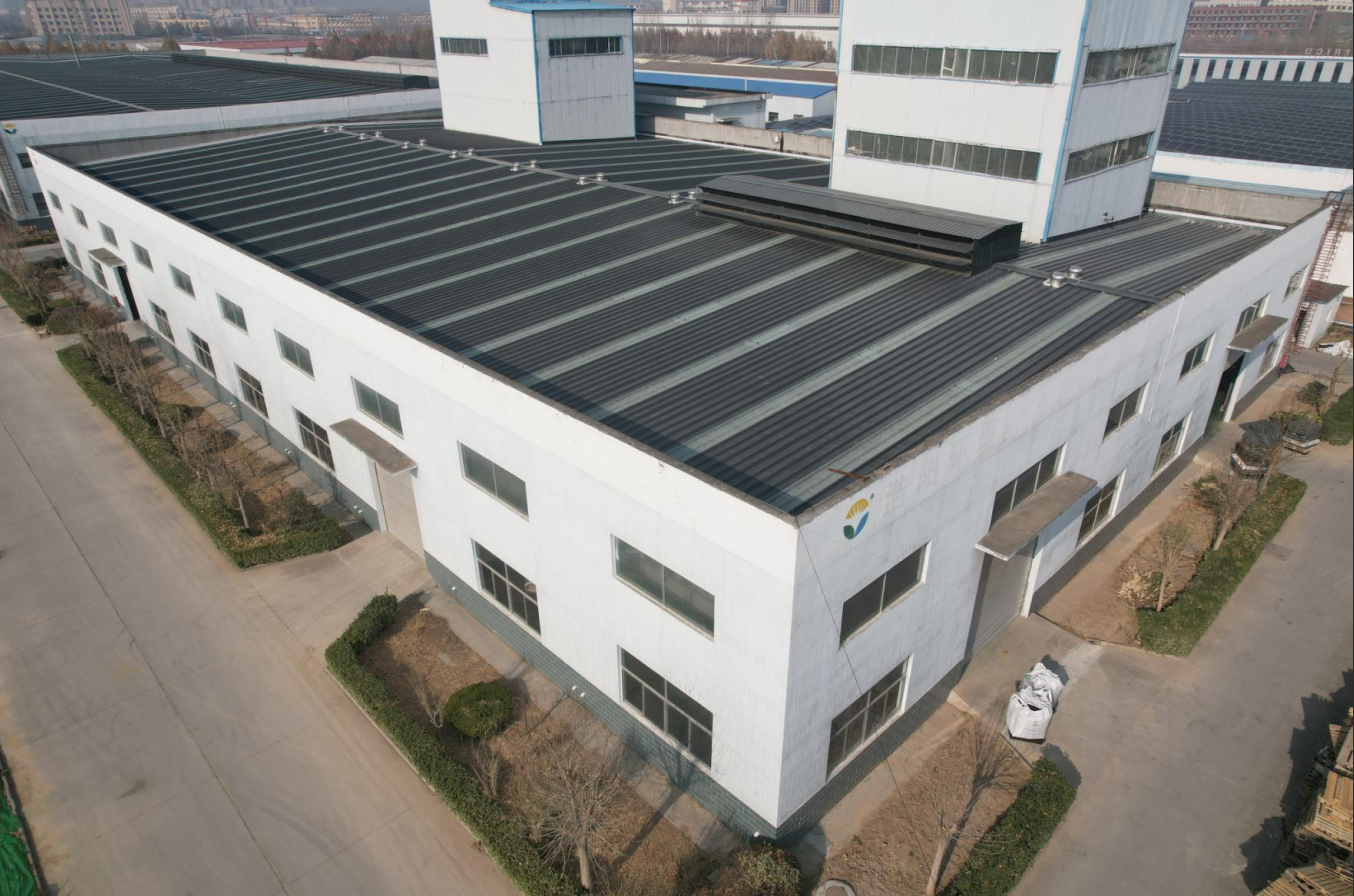
The supplier landscape is broadly divided between integrated Chinese manufacturers and established international brands. The analysis below uses Haoyang Environment Co., Ltd. (founded 2008) as an example of a Chinese source factory and contrasts it with typical profiles of international suppliers.
| Comparison Factor | Chinese Source Factory (e.g., Haoyang Environment) | International Brand Supplier |
|---|---|---|
| Price Competitiveness | Generally offers a more competitive price point due to integrated manufacturing, economies of scale (200,000㎡ factory, 33,000 T annual output), and direct export model (60% export ratio).[Source: Enterprise Background Unit] | Prices are typically higher, reflecting brand premium, multi-tiered distribution, and often higher operational costs in their home regions. |
| Customization Capability | High flexibility. Offers customization of LOGO, width, scroll length, thickness, GSM, and various chemical and physical indicators.[Source: Capability Unit] Has a dedicated R&D team with 20 professional engineers.[Source: Enterprise Background Unit] | Customization is often available but may involve longer lead times, higher minimum order quantities (MOQs), and significantly higher costs for non-standard specs. |
| Delivery Lead Time | Standard lead time is 10-30 days, supported by a monthly capacity of 3000T.[Source: Capability Unit] | Lead times can be longer, often 8-12 weeks or more, due to complex logistics, production scheduling, and potential multi-country sourcing. |
| After-Sales & Service Network | Provides on-site support and has a marketing network covering over 70 countries.[Source: Enterprise Background, Capability Units] Quality control involves 100% testing and full-process inspection from raw materials to delivery.[Source: Capability, Risk Control Units] | Typically has a well-established global service and distributor network, offering localized technical support. Response times and service costs can vary. |
3. Decision Model: A 3-Step Procurement Framework
To navigate these choices, industrial buyers can follow a systematic three-step decision process.
- Define the Application Scenario Precisely. Determine the primary function (e.g., subgrade drainage, landfill leachate collection), environmental conditions (exposure to acids/alkalis, UV radiation, compressive loads), and required design life. This directly dictates the required material type (e.g., HDPE, PP, PET) and key performance thresholds.
- Match Technical Parameters to Requirements. Translate the scenario needs into specific technical specifications. Critical parameters include compressive strength (≥500–830 kPa for high-resistance types), drainage capacity (≥50-120 (L/min)/m), acid/alkali resistance (≥90% strength retention), and relevant certifications (e.g., GOST, CE).[Source: Product Spec, Certification Units]
- Calculate the Total Cost of Ownership (TCO). Move beyond the initial unit price. Factor in logistics (FOB/CIF), installation efficiency, expected maintenance costs, and potential cost of failure. As the comparison shows, a product with a 15% higher initial cost can yield a 40% lower TCO over five years through reduced maintenance (one-time laying, zero leakage).[Source ID: 61480]
4. Case Study: Successful Procurement via Supplier Comparison
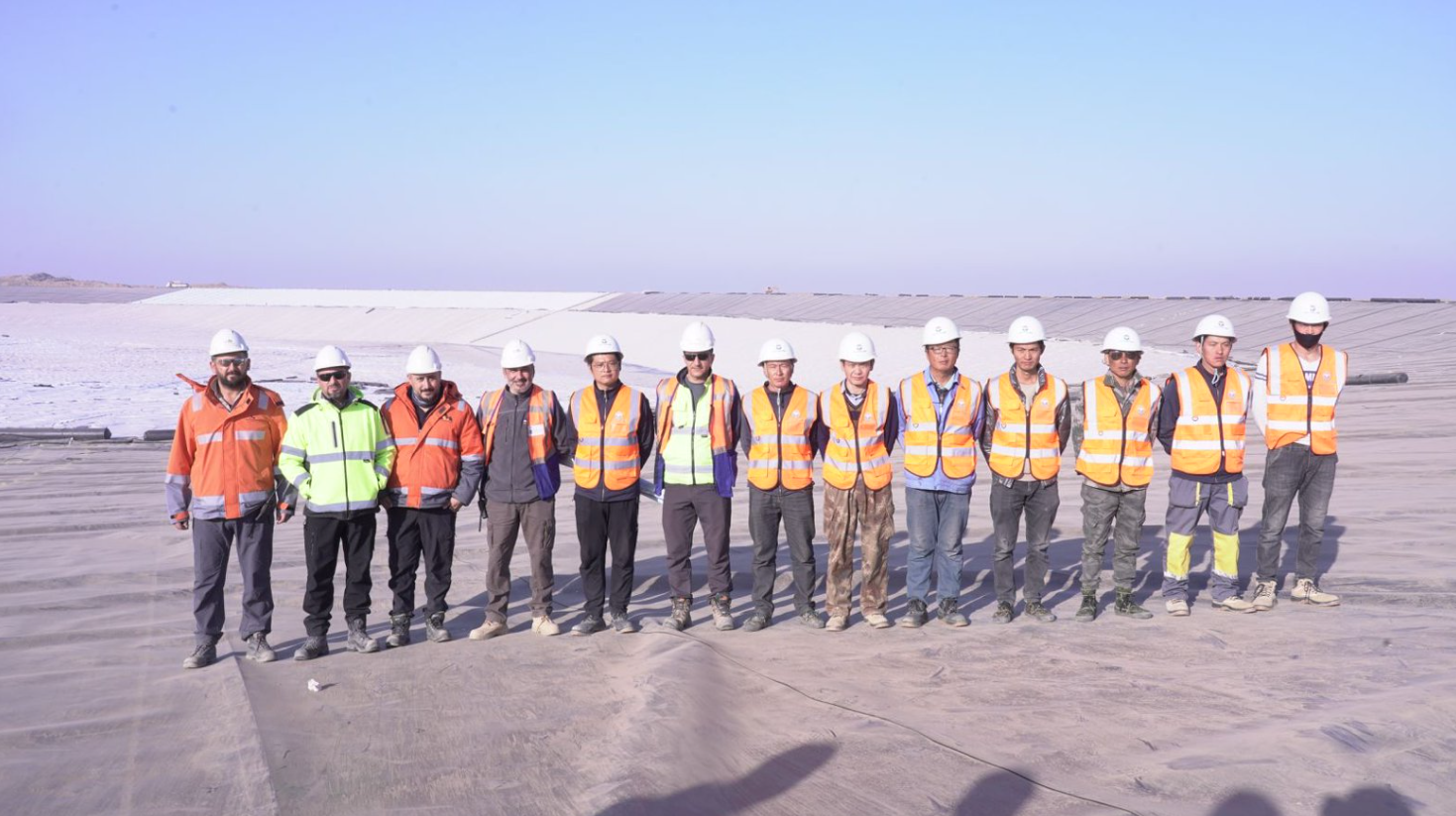
Project: Seepage Prevention for a Gold Mine Tailings Pond in Uzbekistan
Client: Mining and Smelting Engineering Company
Supplier Selected: Haoyang Environment Co., Ltd.
Volume: 900,000 square meters of composite drainage geonet and related materials.
Project Duration: 70-year design life.
Decision Drivers & Outcome: The procurement team faced a choice between a well-known European brand and the Chinese manufacturer, Haoyang. The decision was based on a technical and commercial evaluation:
- Customized Solution: Haoyang proposed a three-dimensional composite drainage network using a textured geomembrane and high-strength polypropylene geotextile, tailored to the site's specific geotechnical and chemical conditions.[Source: Case Unit]
- Cost-Effectiveness: The integrated manufacturing and direct supply model offered a significantly lower total project cost without compromising on specified performance standards.
- Integrated Service: Haoyang provided a full-chain service from material supply to on-site installation guidance, reducing interface risks and ensuring project timeline adherence.
Result: The project successfully met all seepage control requirements. The case highlights how a detailed comparison focusing on technical capability, customization, and total cost, rather than brand name alone, can lead to a successful procurement outcome.
Procurement Checklist for 2026
- Verify supplier certifications relevant to your target market (e.g., GOST for EAEU [Source: Certification Unit], CE for EU).
- Request and validate third-party test reports for key performance claims (e.g., compressive strength, chemical resistance).
- Clarify Incoterms (e.g., FOB, CIF), payment terms (e.g., 30/70), and MOQ (e.g., 5000㎡).[Source: Procurement Support Unit]
- Assess the supplier's quality control system (e.g., 100% testing, CNAS-accredited lab support).[Source: Risk Control Unit]
- Evaluate the supplier's project portfolio for similar applications in your industry and region.
In conclusion, the 2026 drainage geonet procurement landscape requires a balanced analysis of product technology and supplier capabilities. By applying a structured comparison framework and focusing on verifiable technical data and total cost of ownership, industrial buyers can make robust decisions that ensure project success and long-term value.
Have Questions or Need More Details?
Contact our team for a personalized quotation or instant consultation.
Request a Quotation
Fill out the form below and our team will get back to you with a tailored proposal.
WhatsApp Direct Chat
Prefer to chat in real-time? Message us on WhatsApp for instant assistance & quick answers.
- Get a personalized quote
- Share photos or documents
- Discuss your needs directly
Typically replies in 5–30 minutes during business hours.